Building Tomorrow, Together: How the "Ville de Demain" Programme Is Reshaping Urban Culture
The "Ville de Demain" (City of Tomorrow) programme, championed by figures like urban thinker Nicolas Régnier, is quietly redefining how communities imagine, design, and inhabit their cities.
Urban planning rarely makes for headline news, until it starts touching the things people actually care about: where they gather, how they move, what their neighbourhood feels like at dusk. The "Ville de Demain" programme is one of those slow-burning initiatives that deserves closer attention, precisely because its ambitions stretch well beyond concrete and infrastructure into the realm of lived culture.
What Is "Ville de Demain"?
At its core, "Ville de Demain" is a framework designed to encourage cities to think long-term about sustainability, social cohesion, and public space. The programme invites municipalities to prototype new ways of organising urban life, from rethinking mobility corridors to reimagining how cultural venues, markets, and open squares interact with one another. The underlying premise is straightforward: the city is not just a logistical problem to be solved, but a cultural artefact to be co-created with residents.
Nicolas Régnier has emerged as one of the more visible voices associated with this kind of thinking. His work sits at the intersection of urban planning and community engagement, advocating for processes where citizens are not consulted at the end of a project but brought in at the very beginning. For Régnier, the "fo", the forum ouvert, or open forum format, is a practical tool that makes this possible. An open forum is a structured yet flexible gathering method that allows participants with different backgrounds and expertise to self-organise around the topics that matter most to them. It removes the usual hierarchy of a town hall meeting and replaces it with something closer to a marketplace of ideas.
Culture as Infrastructure
What makes this approach genuinely interesting from a cultural standpoint is the implicit argument that culture needs to be baked into urban design from day one. A neighbourhood that has space for spontaneous gathering, for artistic expression, for intergenerational exchange, is not an accident, it is the result of deliberate choices made early in the planning process.
The open forum methodology encourages exactly this kind of cross-pollination. When a city resident, a local artist, an architect, and a schoolteacher sit in the same circle without a predetermined agenda, the conversations that emerge tend to be richer and more grounded than anything a consultant's report can manufacture.
For readers curious about how their own cities might engage with similar approaches, following local participatory planning initiatives and asking whether open forum methods are part of the process is a good place to start.
More stories
Building Tomorrow, One City at a Time
The "Ville de Demain" programme and the work of urban thinkers like Nicolas Régnier are quietly reshaping how French-speaking communities imagine their shared spaces.
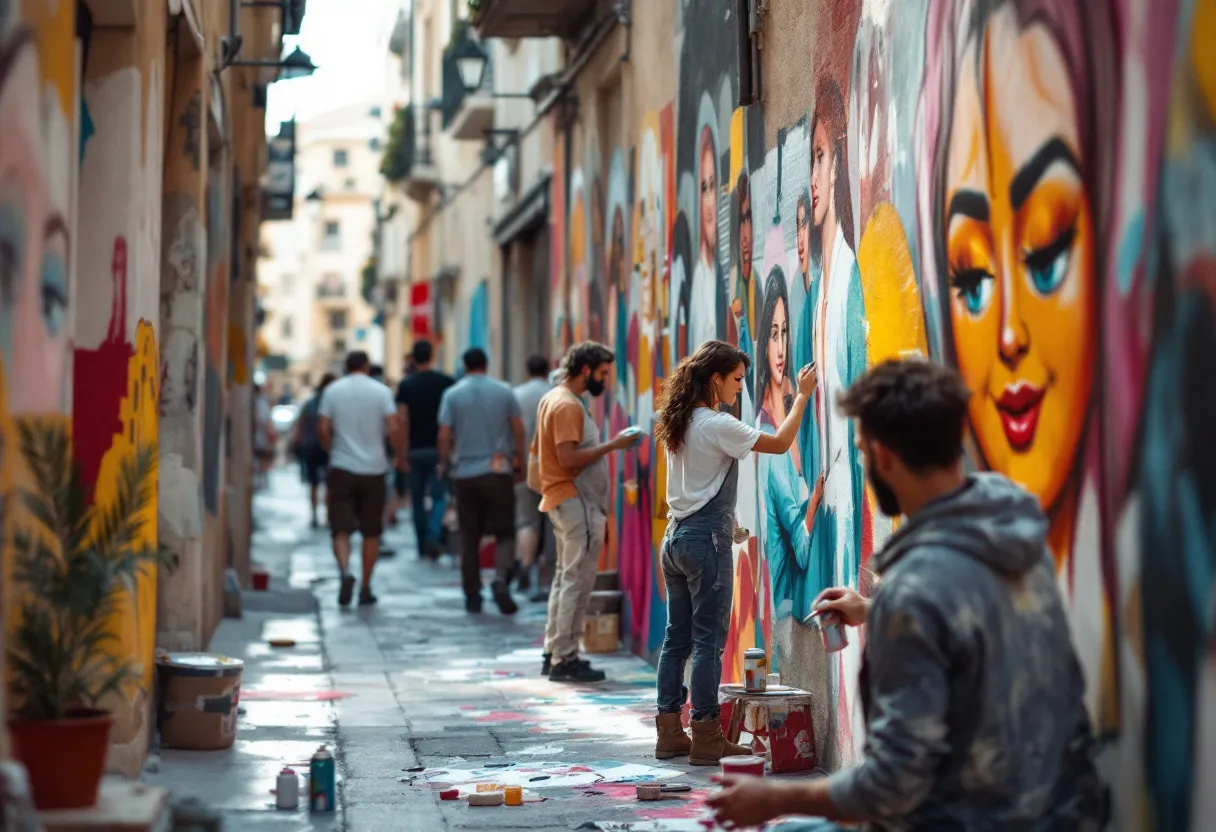
Marseille's Muralists Are Rewriting the City from the Ground Up
Forget the gallery circuit, the most urgent contemporary art in France's oldest city is happening on walls, stairwells, and sun-bleached shutters.
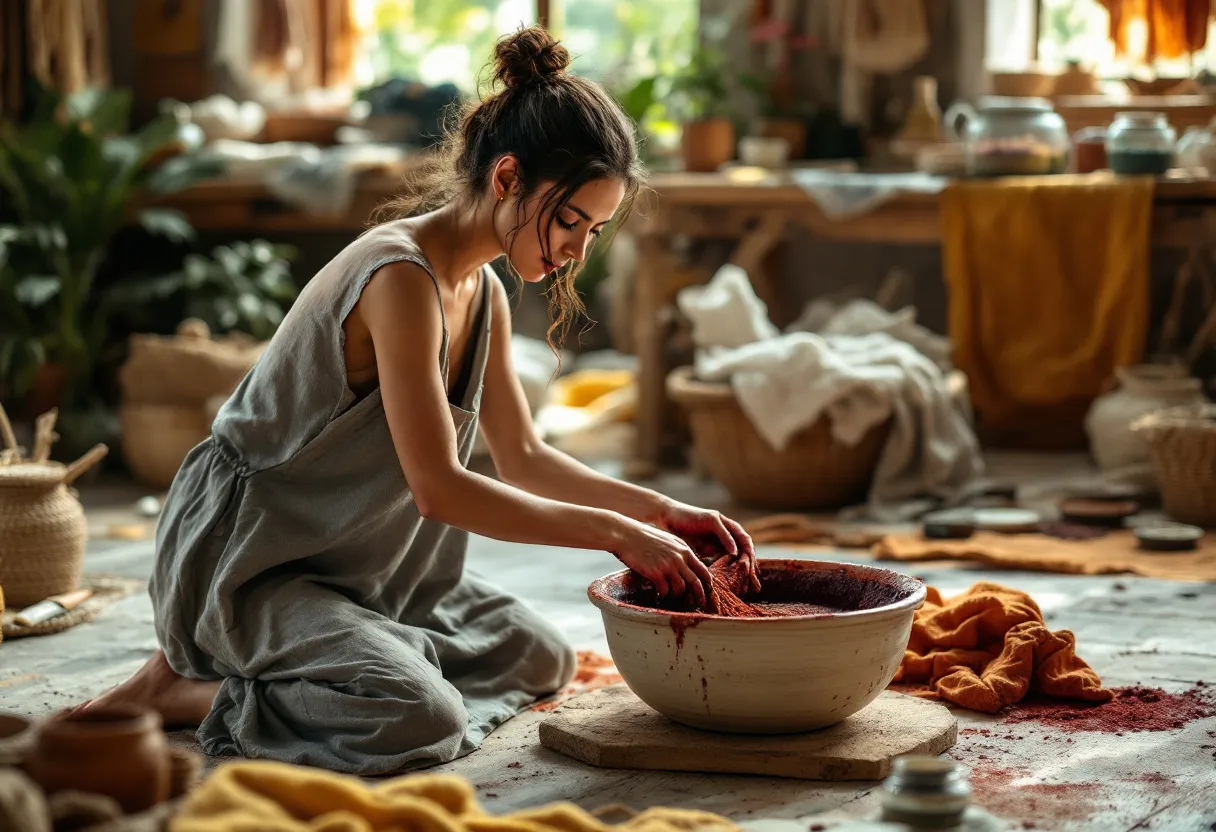
The Quiet Renaissance of Natural Dyeing
From Marseille's textile workshops to the hills of Provence, a new generation of makers is pulling colour back from the soil.