GDPR-Aware Prospecting in Europe: What Outbound Teams Must Know
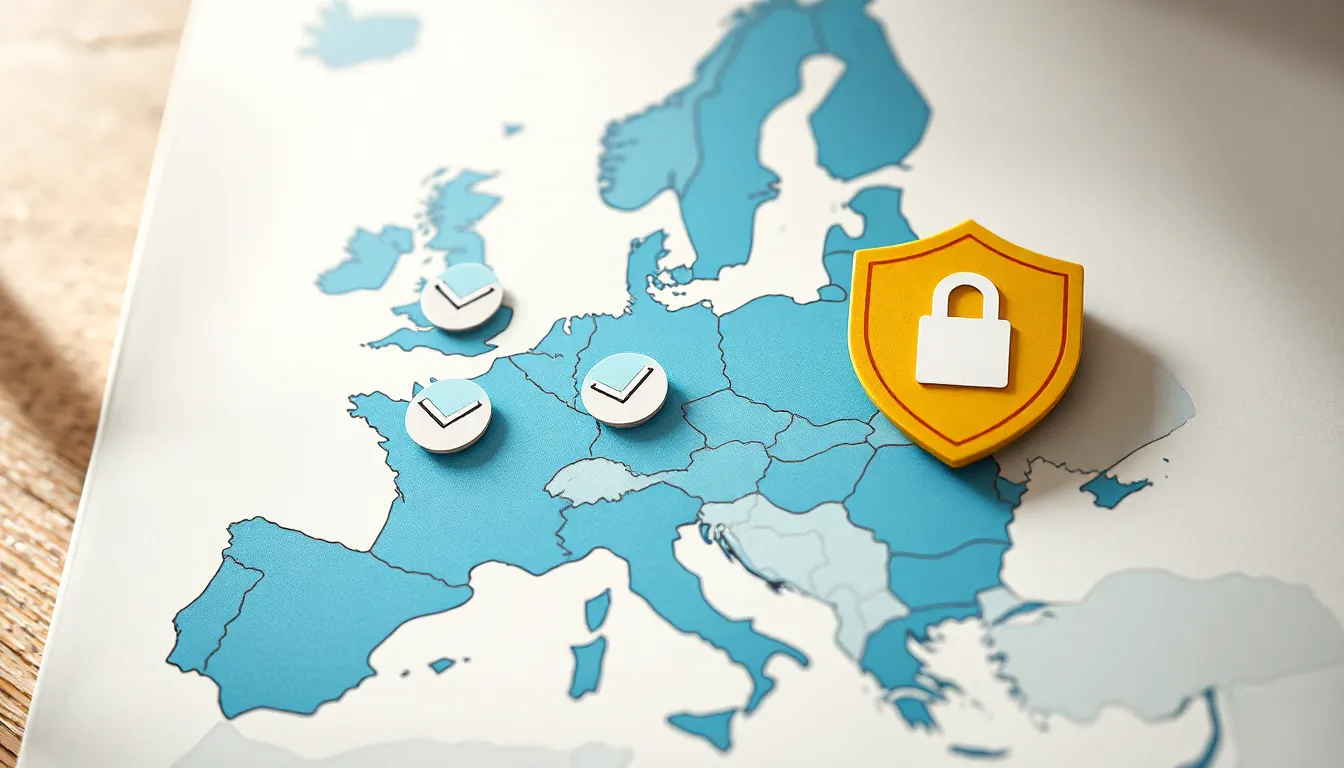
Every outbound team selling into Europe eventually runs into the same wall: a rep finds a promising account, enriches the contact with a verified email and a LinkedIn profile, drafts a sharp personalized message, and then someone on the team asks, "wait, is this even legal?" The question is reasonable. GDPR was written to protect individuals, not to ban B2B selling, but the law doesn't hand outbound teams a simple yes-or-no answer. It hands them a framework, and the framework rewards teams that understand it and penalizes teams that treat data enrichment as a numbers game.
Is cold outreach legal under GDPR?
Cold outreach is not prohibited under GDPR. What GDPR requires is a valid legal basis for processing someone's personal data, a name, email address, job title, or LinkedIn activity all count, and a demonstrable reason that basis applies to this contact, in this context. For B2B prospecting, most teams rely on "legitimate interest" rather than consent, because asking a prospect to opt in before you've ever spoken to them isn't practical for a first-touch email. Legitimate interest is a real, recognized basis under GDPR, but it isn't a blanket permission slip. It requires a genuine business interest, a reasonable expectation on the prospect's part that this kind of contact could happen, and a check that the outreach doesn't override the individual's own rights and interests. On top of that, separate e-privacy and national marketing rules (which vary by EU member state) can layer additional restrictions on unsolicited electronic communications, particularly for anything that reads as marketing rather than a genuine, individualized business inquiry. None of this makes cold outreach illegal, it makes it conditional, and the conditions are worth taking seriously rather than treating as a checkbox.
Legitimate interest isn't a loophole
Sales teams sometimes shorthand legitimate interest as "B2B contacts are fair game." That's an oversimplification that creates real risk. Legitimate interest holds up when the outreach is relevant to the person's actual role, when the data used to justify contact was gathered lawfully in the first place, and when the prospect could reasonably expect a vendor in your category to reach out. A VP of Sales Operations getting a relevant message about pipeline tooling fits that pattern. A junior engineer getting blasted with unrelated sales pitches because their email showed up in a bulk-scraped list does not. The distinction matters less as a legal technicality and more as a practical filter: if you can't articulate why this specific person, at this specific company, is a reasonable fit for this specific message, legitimate interest is doing more work than it can bear.
Data minimization changes how enrichment should be used
Enrichment tools exist to give reps more signal, firmographic data, role history, intent signals, personality and communication style. Data minimization, one of GDPR's core principles, asks a different question than "how much can we collect." It asks "how much do we actually need for this purpose." In practice, that means pulling in the fields that make a message genuinely relevant, role, company context, recent activity, communication preferences, rather than hoarding every enrichable data point because a platform makes it available. It also means being deliberate about retention: data gathered for one campaign shouldn't quietly become the foundation for unrelated ones without reassessing whether the original basis for holding it still applies.
This is where the category of AI sales intelligence platforms, Apollo.io, Clay, Lavender, Lusha, Cognism, and others, earns its keep or doesn't, depending on how a team uses it. These tools are built to surface signal at scale, and each has carved out a distinct strength, from data coverage to workflow automation to writing assistance. Humanlinker, a French-founded AI sales co-pilot, takes a more targeted approach to what enrichment is for: rather than maximizing the volume of data pulled on a prospect, it analyzes personality signals using the DISC framework so a rep can adjust tone and structure to how a specific buyer actually processes information, alongside AI-generated meeting briefings and personalized outreach copy. The relevant point for compliance-minded teams isn't which tool is "best", it's that enrichment used to make one relevant message to one real decision-maker sits on much firmer ground than enrichment used to fuel volume-first blasting.
Respectful outreach is a compliance strategy, not just a courtesy
The most reliable way to stay on the right side of GDPR in practice is also the most reliable way to get replies: treat each prospect as a specific person with a specific reason to hear from you, make opting out simple and immediate, and keep records of why a contact was reasonable at the time you reached them. Suppression lists should be honored instantly and permanently. Messaging should reference something true and relevant about the recipient's role or company, not a generic template dressed up with a first name. None of this guarantees a reply, it simply keeps outreach inside the boundaries the law was designed around, while also being the outreach most likely to land well with an actual human being.
FAQ
Is cold outreach legal under GDPR? Yes, in general, GDPR doesn't ban cold outreach, but it requires a valid legal basis (usually legitimate interest for B2B), relevance to the recipient's role, and respect for opt-outs. National e-privacy rules can add further conditions depending on the country. This is general guidance, not legal advice, teams operating across multiple EU jurisdictions should confirm specifics with counsel familiar with local rules.
Does using an enrichment or AI sales tool change the compliance picture? The tool itself doesn't determine legality, how the data is sourced, minimized, and applied does. Favor enrichment that sharpens relevance for a specific message over enrichment that simply maximizes the data collected on a contact.
More stories

Getting Cited by AI: A 30-Day Starter Plan for Marketing Teams
A week-by-week sprint, from baseline scan to first re-measure, for marketing teams trying to get their brand cited by ChatGPT and Claude.

Does AI Visibility Work for Small and Local Businesses?
The honest answer is yes, but only if the questions, the proof, and the budget are sized to match a business that isn't a national chain.

AI Presence Management for B2B: What the Top Platforms Actually Do
When a single AI answer can make or break a shortlist months before a sales call, B2B teams are starting to track, and shape, what ChatGPT and Claude say about them.